In an increasingly connected world, the line between physical and digital space is no longer clear; especially for dissidents, journalists, and activists. While a lot of attention has been paid to the visible violence inflicted by authoritarian regimes, what often goes unrecognized is the psychological harm caused by online harassment, surveillance, and digital repression.
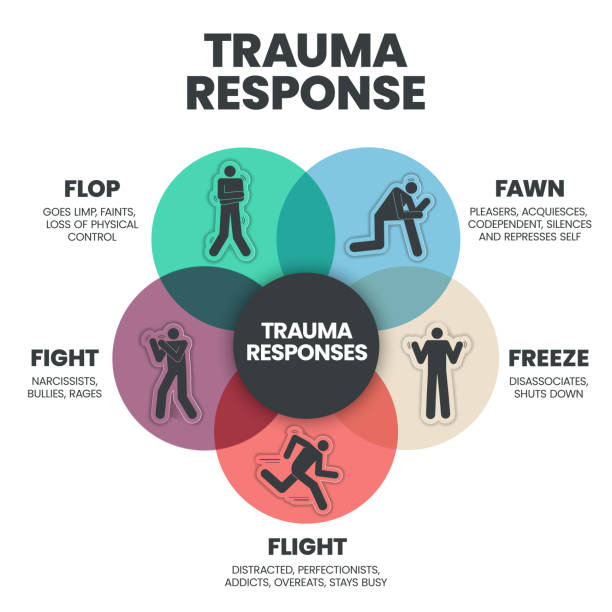
Being targeted online isn’t just stressful or invasive. It can lead to long-term mental health consequences that mirror the symptoms of trauma experienced in traditional conflict zones. People under constant digital attack often describe feeling watched, unsafe, and emotionally exhausted. These are not just emotional responses; they’re trauma responses.
Measuring the Invisible Impact
To better understand how online persecution affects mental health, many recent studies conducted for victims in GCC, South America and other regions to measure the impact of the use of surveillance technology sponsored by authorities from different aspects, one of the studies that focus on GCC used the Harvard Trauma Questionnaire (HTQ); a respected screening tool for symptoms commonly associated with Post-Traumatic Stress Disorder (PTSD). Participants in this research were individuals who are confirmed victims of state-sponsored attack because of their activism, journalism, or public speech. By collecting and analyzing HTQ responses to quantify the psychological impact of these digital forms of repression.
A Startling Finding: High Hyperarousal and Intrusion Symptoms
One of the most revealing takeaways from this study was the high rate of hyperarousal and intrusive symptoms among participants. On average, the group reported scores well above the threshold that indicates likely PTSD, particularly on questions related to constant alertness and reliving traumatic experiences.
- The item “Feeling on guard” had an average score of 4.00 (on a 1–4 scale), the highest across all responses.
- “Feeling as though the event is happening again” scored 3.94, suggesting that participants are reliving their digital trauma in vivid and recurring ways.
This is especially concerning in the context of digital persecution, where the threat is not limited to a single event. Surveillance, smear campaigns, and threats can be ongoing, sometimes lasting for years. Unlike traditional trauma, which may stem from a single moment in time, online harassment often creates a chronic sense of vulnerability and powerlessness. Thus suggesting that when your phone, email, or social media can be weaponized against you at any moment, the feeling of being “on guard” becomes a permanent state of mind. The most shocking outcome from the HTQ result is , all the participants are most likely suffering from Post-Trauma Stress Disorder PTSD.
Beyond the Individual: The Systemic Nature of Digital Trauma
What these findings ultimately reveal is that the trauma of digital persecution cannot be understood as a series of isolated psychological injuries. It is systemic, a byproduct of institutionalized digital violence. Authoritarian regimes, and even some democratic states, have built vast infrastructures of surveillance, data extraction, and online manipulation that turn technology itself into an instrument of control. In these systems, digital trauma becomes an expected outcome, not an accident.
Unlike interpersonal online harassment, which is often framed as a problem of individual actors, institutionalized digital repression operates at scale, leveraging state power, and opaque algorithms to target, monitor, and silence dissent. This creates an environment where fear is embedded into the everyday use of technology.
This makes digital trauma a collective and structural phenomenon. The psychological impact that is inflicted on one journalist or activist ripple through entire communities of resistance. Furthermore, individuals internalize not only their own experiences of violation but also the shared awareness that anyone within their network could be next. This produces a persistent environment of hypervigilance and distrust, which mirrors the social fragmentation seen in conflict societies
The Toll Is Real. The Silence Must End.
What the study shows is simple: digital persecution causes real trauma. The internet may be virtual, but the psychological wounds it inflicts are not.
We must stop treating digital repression as a secondary issue. For those targeted by authoritarian regimes, often across borders, through screens and spyware; the impact is deeply personal and painfully persistent. Governments, platforms, and civil society must take this threat seriously and act urgently to protect digital rights and mental health.
At Digital Right for Gulf (DR4G), we continue to call for stronger protections for digital freedom, accountability for transnational repression, and mental health support for those on the frontlines of online persecution. Trauma inflicted online is no less serious than physical trauma, Mental health issues can last for life in most cases. It’s time we started treating it that way.
If you would like to read more about, click here: